The Start of Spain's Golden Age Is Often Dated as 1492, the Same Year Jews Were Expelled
| Claim: | The Start of Spain's Golden Age Is Often Dated as 1492, the Same Year Jews Were Expelled |
|---|---|
| Rating: |
True

|
| Finding: | The start of Spain's Golden Age is often dated as 1492, the same year unconverted Jews were expelled. Granada fell and Columbus sailed that year too. |
|
COMPLETE REDPILL(true) |

Claim: Spain had the Golden Age right after the Jews were expelled in 1492
Verdict: Needs context.
- The post: The X post from @forbiddenmerch (August 11, 2026) asked @grok whether Spain had the Golden Age "right after the jews were expelled in 1492," and demanded yes or no. Grok's reply led with yes, then dated the Siglo de Oro from 1492 through the late 1600s, named the expulsion, Granada's fall, and Columbus in the same year, and said the imperial and cultural peak was driven mainly by New World wealth.
“Yes. Historians date Spain’s Golden Age (Siglo de Oro) from 1492—the year of the Jewish expulsion, Granada’s fall, and Columbus’s voyage—through the late 1600s. It marked imperial and cultural peak under the Habsburgs, driven mainly by New World wealth. The expulsion removed skilled people and caused losses, yet many conversos still shaped the era’s arts and thought.”
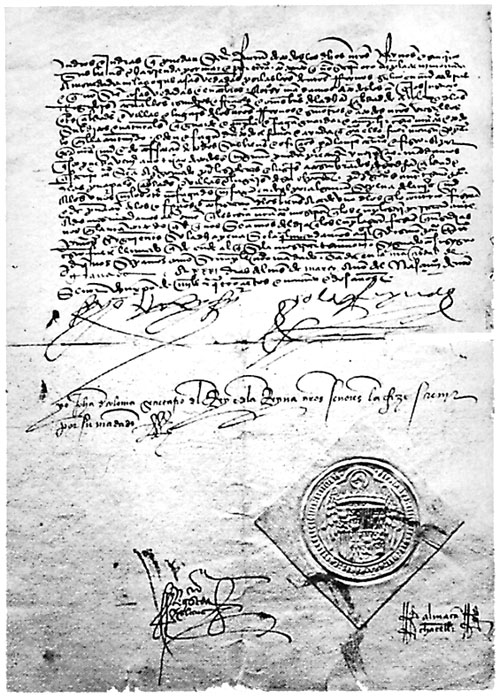
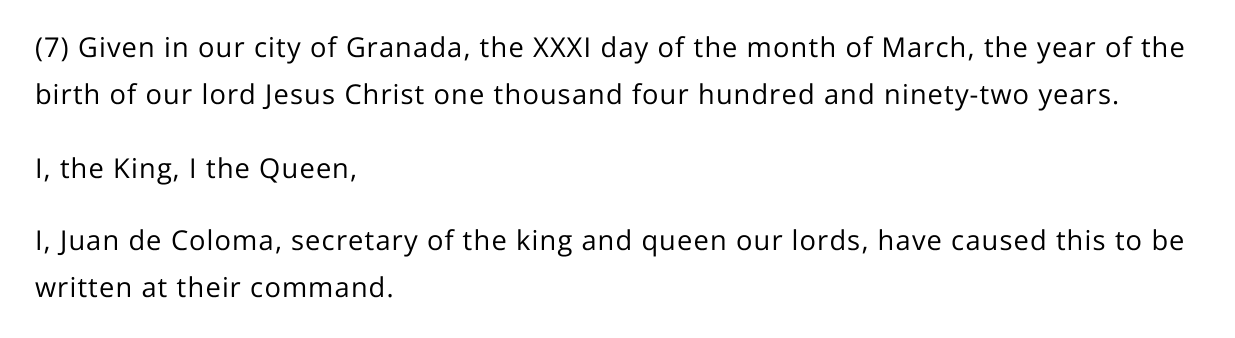
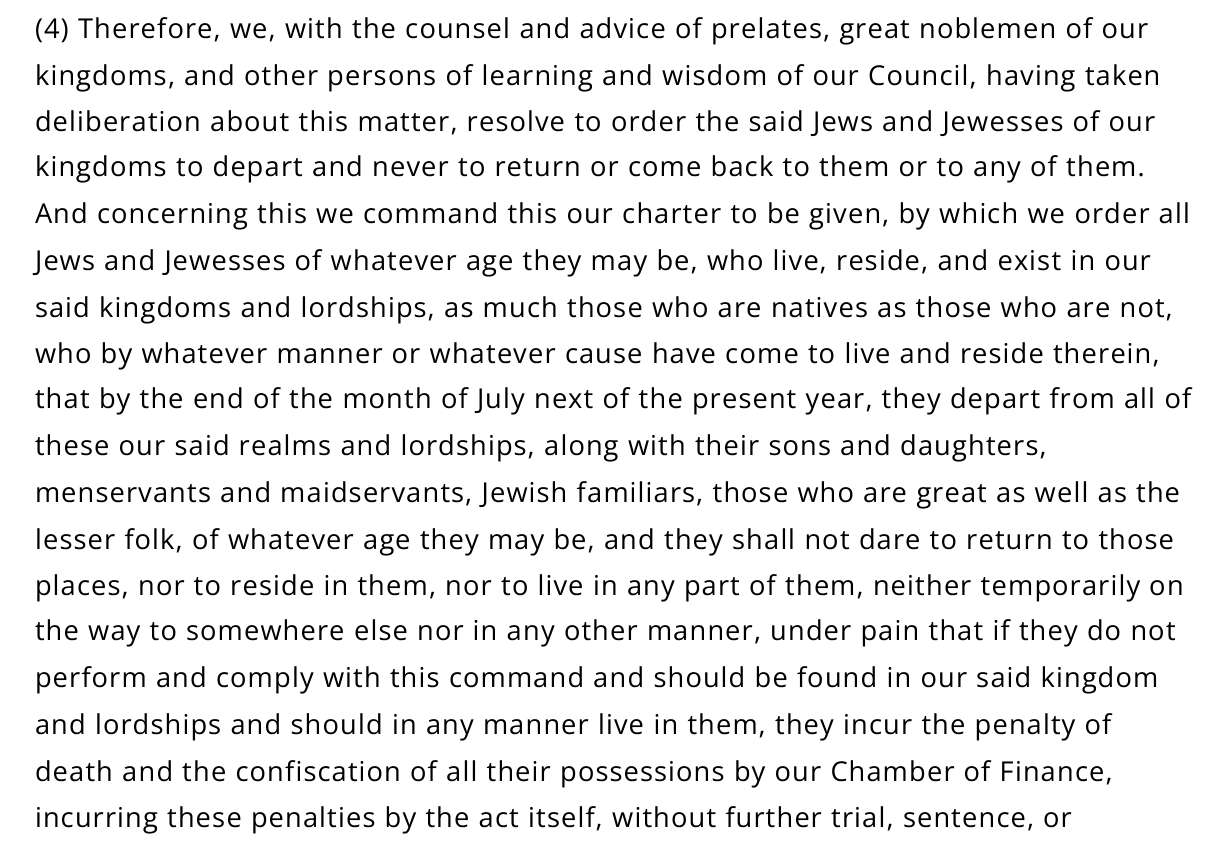
- The expulsion: Ferdinand II of Aragon and Isabella I of Castile issued the Alhambra Decree on 31 March 1492. Edward Peters's translation from the Castilian, the version Wikipedia cites, is dated "in our city of Granada, the XXXI day of the month of March, the year of the birth of our lord Jesus Christ one thousand four hundred and ninety-two years," signed "I, the King, I the Queen," and written by secretary Juan de Coloma. It ordered unconverted Jews to depart by the end of July of that year and never return, on pain of death and confiscation.
- Same year, other events: 1492 was a stacked year, not an expulsion-only turning point. Granada surrendered on 2 January 1492, ending the Granada War and the last Muslim polity on the peninsula. Antonio de Nebrija's Gramática de la lengua castellana, the first published grammar of a modern European language, came out in 1492. Columbus sailed from Palos on 3 August 1492, three days after the July expulsion deadline, and reached the Bahamas on 12 October. The Spanish Inquisition itself was not a 1492 creation. Ferdinand and Isabella got papal authorization in 1478.

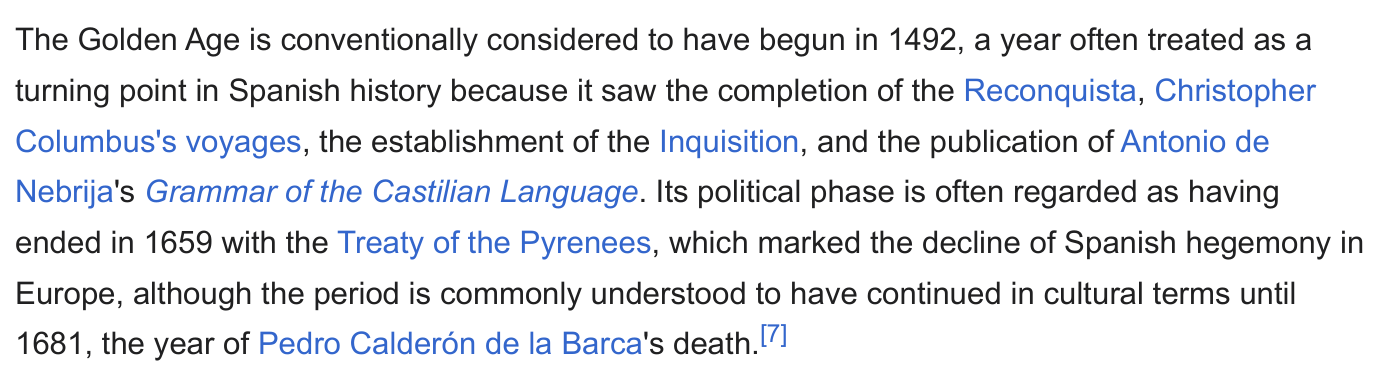
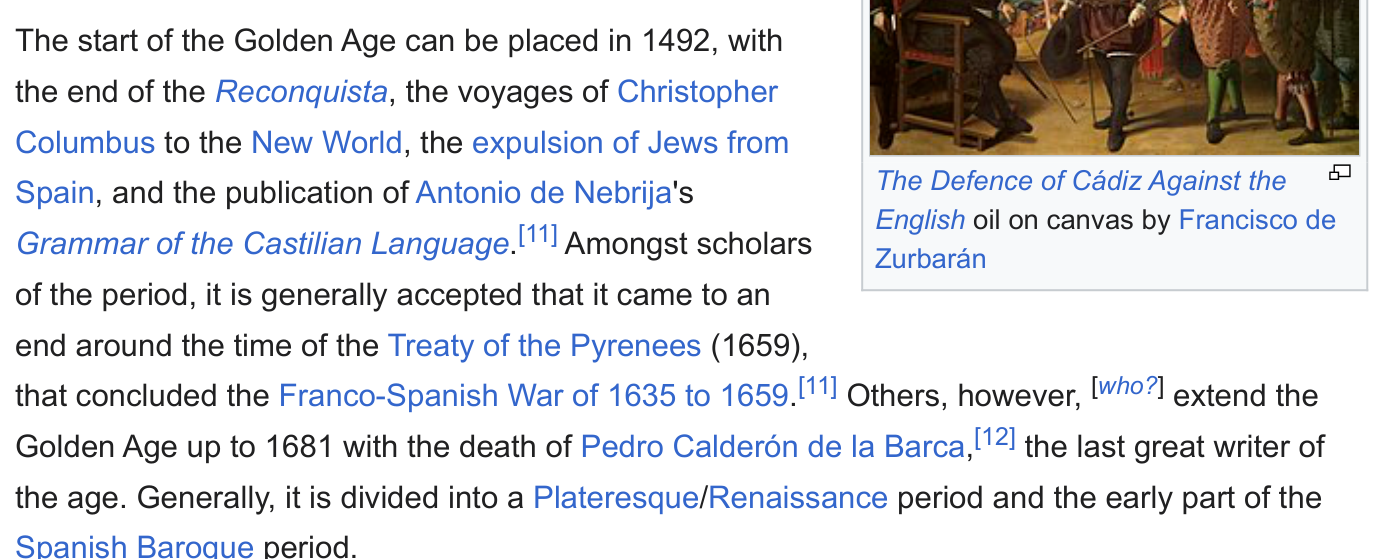
- The 1492 dating: Wikipedia's Spanish Golden Age article says the period "is conventionally considered to have begun in 1492" because that year saw the end of the Reconquista, Columbus's voyages, and Nebrija's grammar. A later paragraph on the same page adds the expulsion of Jews from Spain to that 1492 list, and treats 1659 (Treaty of the Pyrenees) as a common political close and 1681 (death of Pedro Calderón de la Barca) as a common cultural close. That is a later historians' label, not a 1492 announcement that a Golden Age had started.
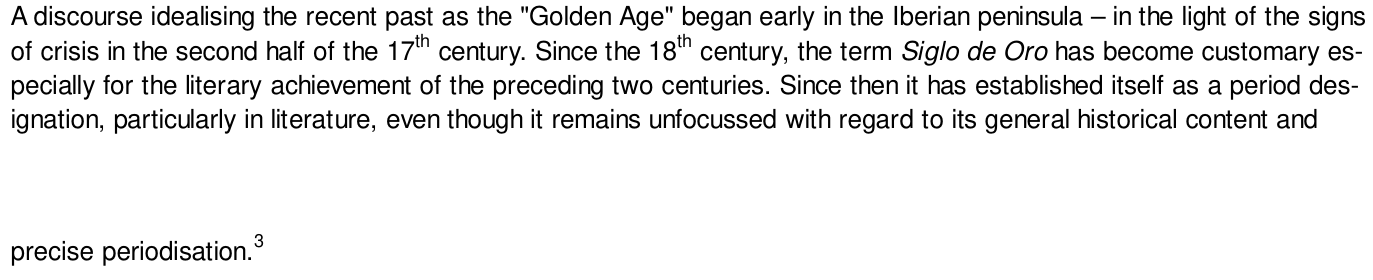
- Other datings: Encyclopaedia Britannica's Golden Age article dates Spanish literature from the early 16th century to the late 17th, beginning with "the partial political unification of Spain about 1500," and puts the end at Calderón's death in 1681. Britannica's Spanish-literature survey also says the Siglo de Oro is "often dated from the publication in 1554 of Lazarillo de Tormes ... to the death in 1681" of Calderón. Thomas Weller's 2010 essay for the Leibniz Institute of European History notes that Siglo de Oro became customary in the 18th century for the literary work of the preceding two centuries, and that the period label "remains unfocussed with regard to its general historical content and precise periodisation."


- When the peak actually sat: Wikipedia calls Philip II (reigned 1556–1598) the most significant patron of Spanish art and culture in the era. El Escorial was built on his order between 1563 and 1584. Cervantes published Don Quixote in 1605 and 1615, more than a century after the expulsion. Velázquez's Las Meninas is 1656. "Right after" 1492 is a slogan. The works people mean by Golden Age literature and painting are mostly 16th- and 17th-century.
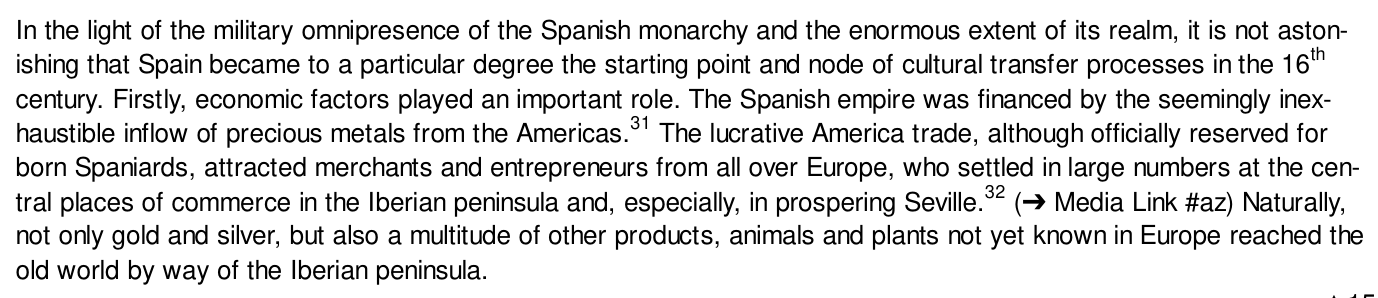
- What paid for the empire: Grok's follow-on line is the better half of the reply. Weller writes that the Spanish empire "was financed by the seemingly inexhaustible inflow of precious metals from the Americas." The expulsion removed a skilled minority. It is not the revenue stream those datings rest on. Many Jews also converted and stayed as conversos. The decree targeted unconverted Jews, not everyone of Jewish origin.
In plain language:
Yes, 1492 is a common start date for Spain’s Golden Age, and it is the same year unconverted Jews were expelled. The same year Granada fell and Columbus sailed. This factcheck doesn’t address the question of if the expulsion of the Jews was a contributory cause of the Golden Age.
Links to Evidence:
- Original X post by forbiddenmerch August 11 2026
- Archived X post (PDF)
- Original Grok reply August 11 2026
- Archived Grok reply (PDF)
- Edward Peters English translation of the Alhambra Decree
- Archived Peters translation (PDF)
- Wikipedia Alhambra Decree
- Archived Wikipedia Alhambra Decree (PDF)
- Wikipedia Expulsion of Jews from Spain
- Archived Wikipedia Expulsion of Jews from Spain (PDF)
- Wikipedia Spanish Golden Age
- Archived Wikipedia Spanish Golden Age (PDF)
- Encyclopaedia Britannica Golden Age Spanish literature
- Archived Britannica Golden Age (PDF)
- Britannica Kids Golden Age
- Archived Britannica Kids Golden Age (PDF)
- Encyclopaedia Britannica Spanish literature
- Archived Britannica Spanish literature (PDF)
- Thomas Weller The Spanish Century IEG 2010
- Archived Weller Spanish Century (PDF)
- Wikipedia Gramática de la lengua castellana
- Archived Wikipedia Nebrija grammar (PDF)
- Wikipedia Granada War
- Archived Wikipedia Granada War (PDF)
- Wikipedia Voyages of Christopher Columbus
- Archived Wikipedia Columbus voyages (PDF)
- Wikipedia Don Quixote
- Archived Wikipedia Don Quixote (PDF)
- Wikipedia Spanish Inquisition
- Archived Wikipedia Spanish Inquisition (PDF)
- Wikipedia Philip II of Spain
- Archived Wikipedia Philip II (PDF)
|
COMPLETE REDPILL(true) |
